Janaza: Honoring Our Loved Ones with Dignity
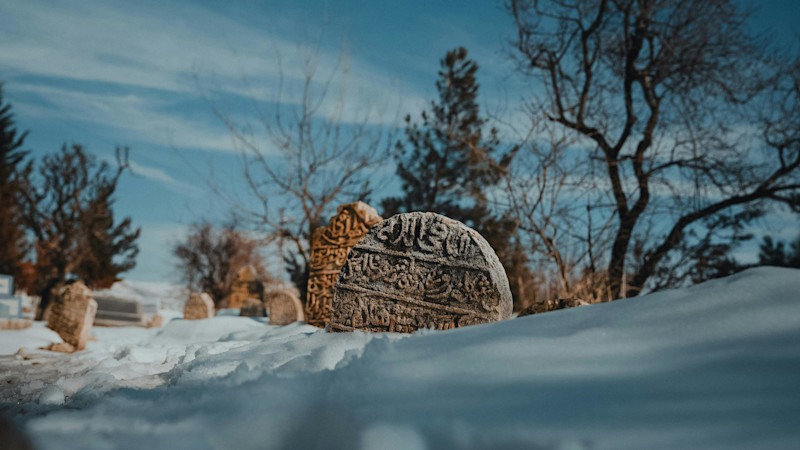
“Every soul will taste death.” — Qur’an (Surah Al-Imran 3:185)
Death is a reality that every one of us will face. In Islam, it is not the end, but the beginning of the Hereafter (Akhirah).
After death, the soul enters a state called Barzakh — a barrier between this life (dunya) and the Day of Judgment. In this state, the soul no longer returns to the worldly life, and its condition depends on the mercy and justice of Allah.
This reminder encourages us to live with purpose, prepare for the Hereafter, and fulfill our responsibilities toward those who have passed away.
What is Janaza?
The Islamic funeral, known as Janaza, is a sacred duty of the Muslim community.
It is a fard kifayah (collective obligation), meaning:
If some members of the community perform it, the obligation is fulfilled
If no one performs it, the entire community is accountable
Janaza ensures that every Muslim is buried with honor, respect, and according to Islamic teachings.
Ghusl (Washing the Deceased)
The first step is the ritual washing (Ghusl) of the body.
Performed by family members or trusted community members
Must be done by someone of the
same gender
The body is washed gently and respectfully
Usually washed
at least three times
Camphor may be used in the final wash (if available)
This process reminds us of:
The dignity of every human being
The importance of care even after death
Kafan (Shrouding)
After washing, the body is wrapped in a simple white cloth (Kafan).
Men: typically 3 pieces of cloth
Women: typically 5 pieces of cloth
The simplicity of the Kafan teaches:
Equality in death — rich or poor, all return the same way
Detachment from worldly status and possessions
Salat al-Janaza (Funeral Prayer)
The community gathers to perform the Janaza prayer.
This prayer is unique:
Performed standing only
No bowing (ruku) or prostration (sujood)
Includes four Takbirs (“Allahu Akbar”)
It is a prayer of:
Mercy for the deceased
Forgiveness from Allah
Support from the community
Burial
Burial should take place as soon as possible, ideally within 24 hours.
The body is placed in the grave on its right side
Facing the Qiblah (direction of Makkah)
People present may place three handfuls of soil into the grave
This moment is a powerful reminder of our return to the earth.
A Reminder for the Living
Janaza is not only about honoring the deceased — it is also a reminder for those who are still alive.
Life is temporary
Death can come at any time
Our actions will follow us into the Hereafter
When your time comes, will you be ready to meet Allah?
May Allah grant mercy to those who have passed and guide us to prepare for the Hereafter. Ameen.